

Our first campaign of the year drew a crowd of people with 140 dogs and cats. With our team of three surgeons, we were able to accommodate 103 of them—35 female dogs, 18 male dogs, 22 female cats, and 28 male cats. We plan to give priority to the rest at our next campaign.
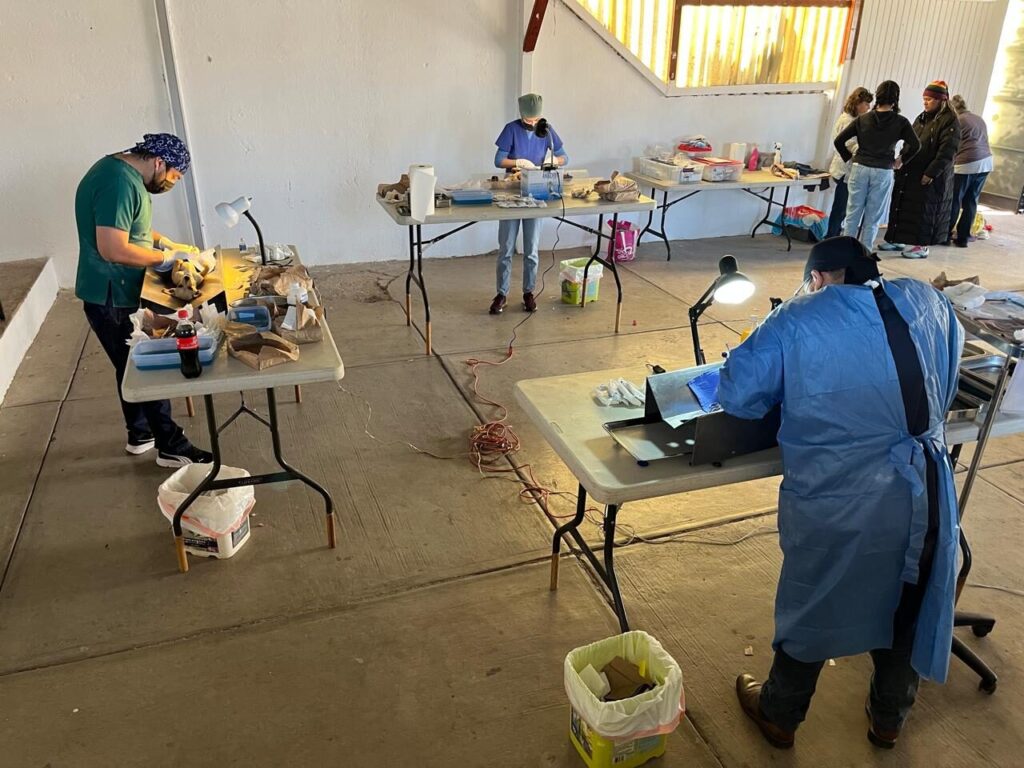
“Even though there were only three of our veterinarians at the campaign, we were able to achieve this number thanks to the large number of males,” reported Julia Salido, our campaign manager. Male castrations are simpler and take less time to perform than female spays. She added, “I dare say we’ve never had as many as we did yesterday.”
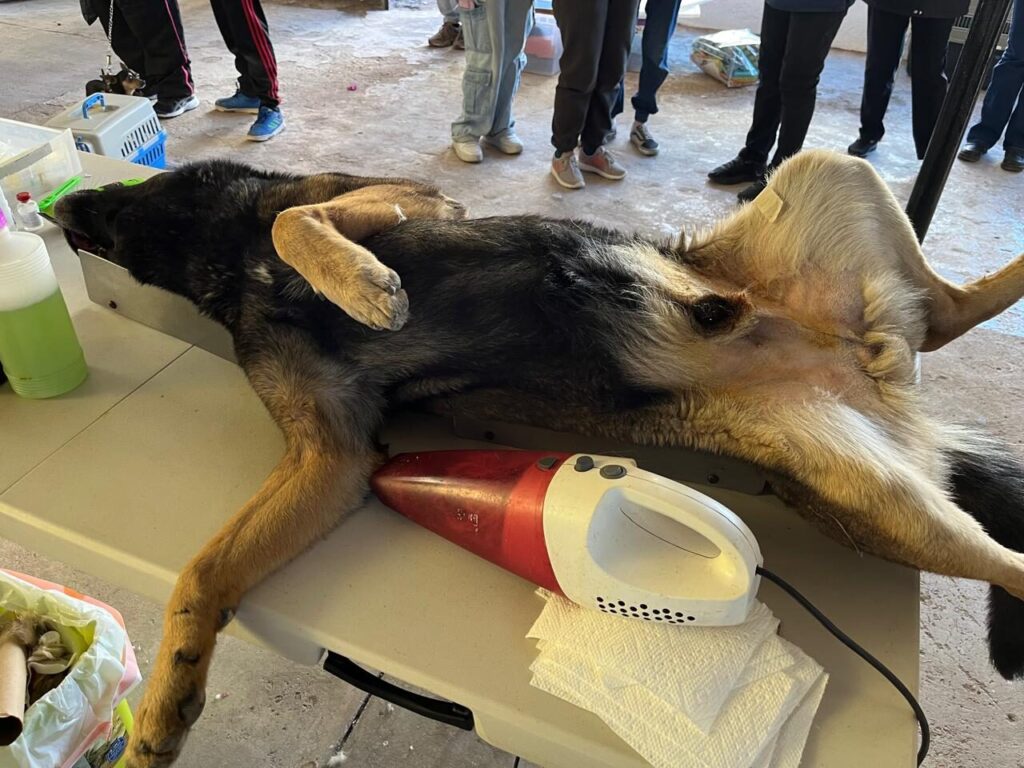

The campaign took place at the Community Center in Las Teresas, a large housing development on the outskirts of the city of Guanajuato.

Our education program emphasizes the importance of sterilizing males as well as females. For example, whereas a female dog theoretically can have three litters per year, a male dog can impregnate seven females in one day. Moreover, sterilized pets are less likely to get into fights, less prone to wander, unlikely to contract venereal diseases, and in general live longer and healthier lives than unsterilized pets.
The increasing number of male dogs and cats at our campaigns suggests that a growing number of Guanajuatenses are aware of the problems that their male pets’ uncontrolled fertility create for themselves and the community at large.