

We conducted two campaigns in March, sterilizing a total of 156 animals. The first took place in the subdivision of El Manantial (103 animals) and in the second the village of Cajones (53 animals).

On Sunday, March 8, our team sterilized 103 animals in El Manantial subdivision—35 female dogs, 19 male dogs, 34 female cats, and 15 male cats.
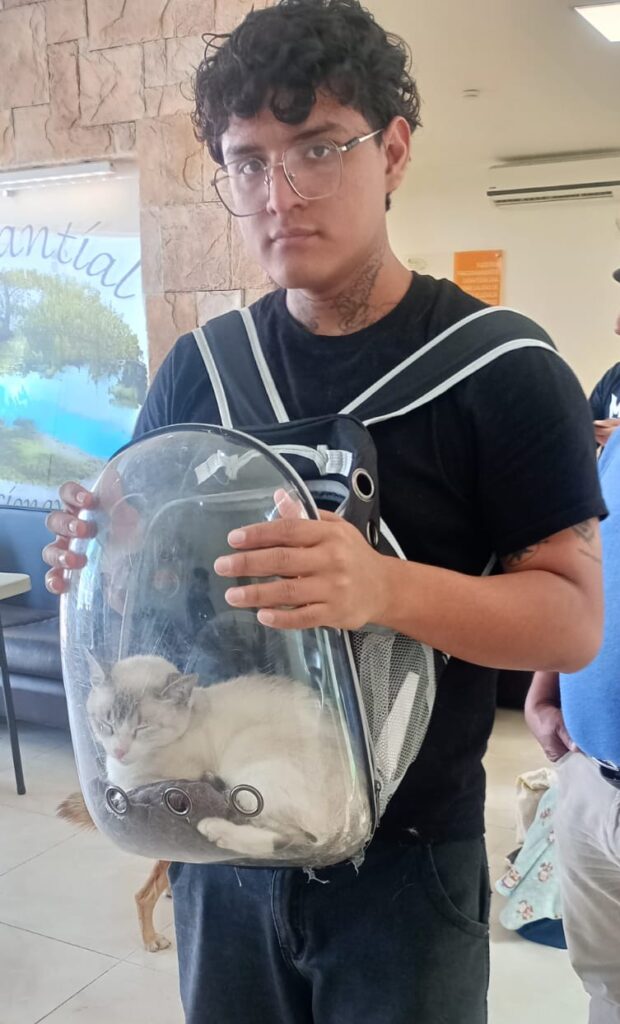
For the most part, the campaign went well; but several cases were complicated by excessive bleeding. Such cases sometimes occur because a pet’s owner is unaware of an animal’s underlying risk factor or neglects to mention it.
“It’s important for people to be attentive to their pets’ health status and not to have them spayed or neutered if they have any doubts about their health or if they aren’t sure they’re complying with the minimum 8-hour fasting period,” advises Julia Salido, our campaign manager.
Blood-born parasitic diseases are common throughout Mexico, and they increase complications during surgery. Ticks, mosquitoes, and fleas transmit the diseases to dogs, cats, and humans. Although less prevalent in Guanajuato, these diseases still pose a significant risk.
Although people cannot contract those diseases from their pets, minimizing our own exposure to tick, mosquito, and flea bites with insect repellent is the best way for us to avoid infection. For dogs and cats, veterinarians recommend year-round preventive medicines that are highly effective.
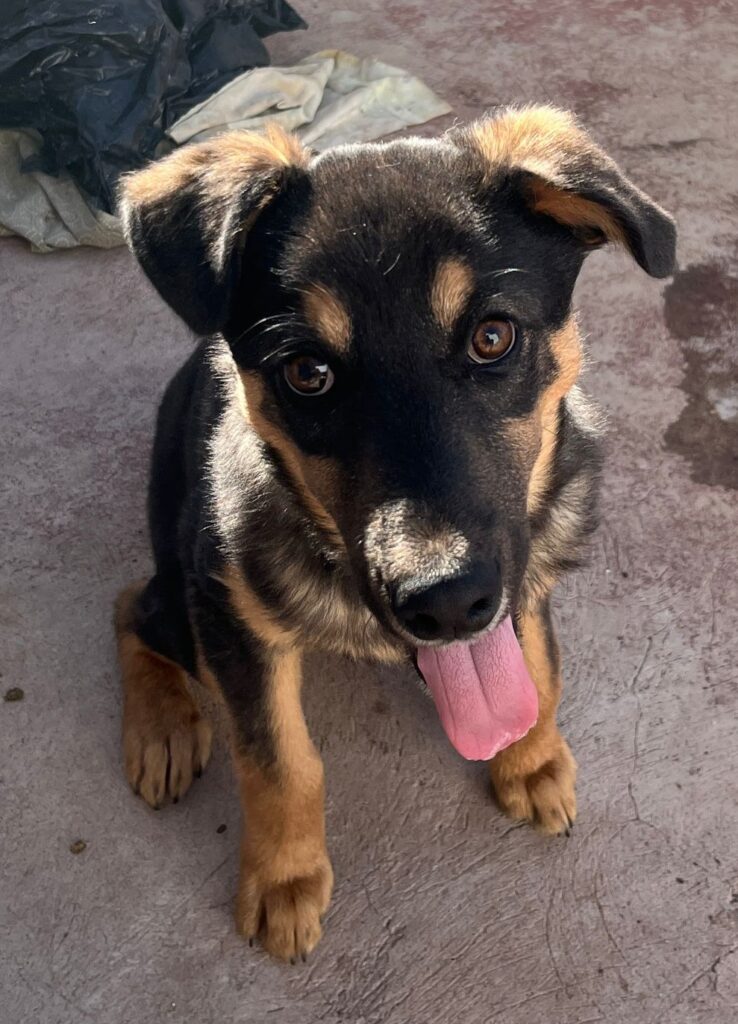
On Sunday, March 22, in the village of Cajones, we sterilized 53 cases—27 female dogs, 7 male dogs, 13 female cats, and 6 male cats. All went well, and there were no complications.
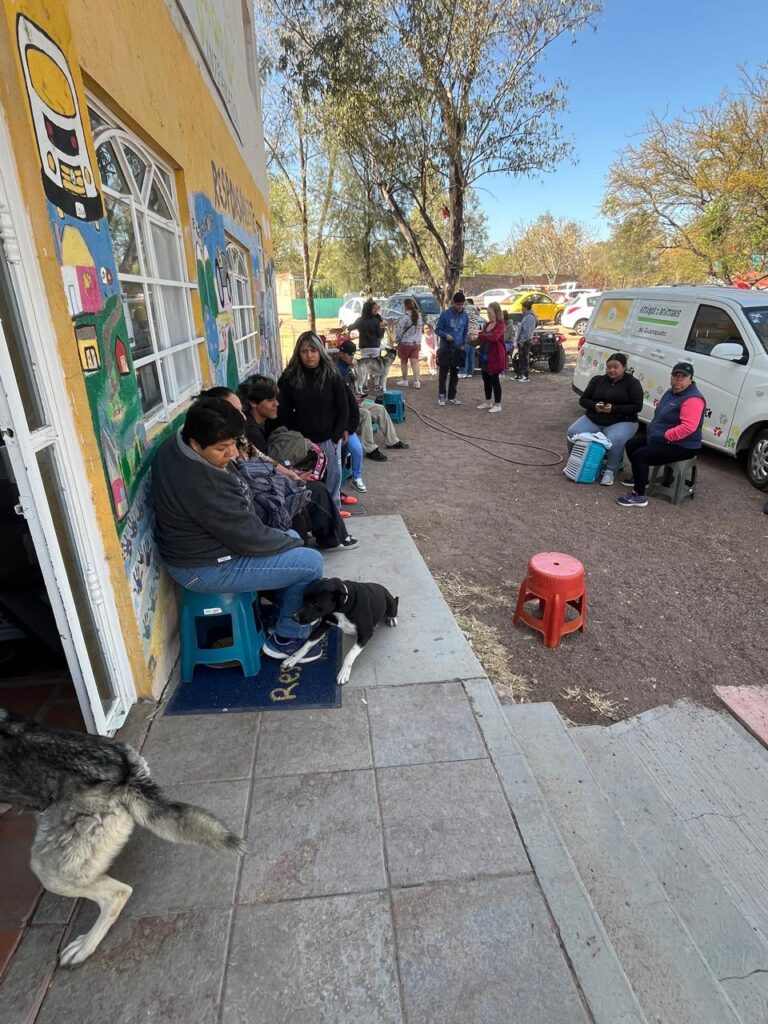


We thank both our sterilization team for their hard work and our generous hosts, the administration of El Manantial subdivision and Resplandor International in the village of Cajones.