

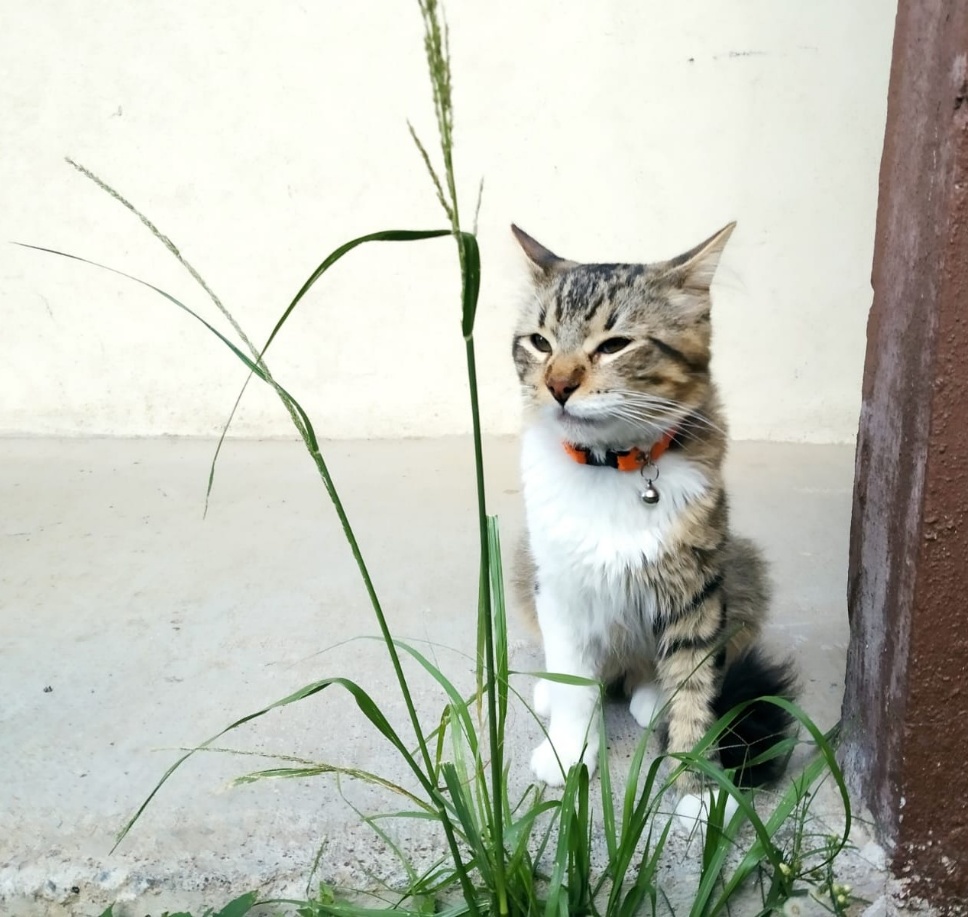
Early in the morning, I heard a persistent meow; it sounded like a kitten. We lived in an apartment, so I assumed the neighbors had adopted a new kitten. But as night fell, the meowing continued. I went outside and found the hungry little creature we would name Cochi (short for Biz-cochito, because he was cross-eyed and hygiene was a foreign concept to him). It makes sense in Spanish.
We didn’t have anything ready to receive him, so we fed him a can of tuna and let him go. The next day we got a litter box and some cat food and waited for him to return. Sure enough, he returned, and we remained together until the end of his days.
Almost immediately we developed a very strong bond, a special way of understanding each other, a trust that led him to knead and purr every time he saw us and to come meowing when we called him by the name we’d given him. His presence brought us the pleasure of petting him and the inherent calm of his company. Like any relationship, this one was also full of contradictions, conflicts, and misunderstandings linked to the fact that Cochi and I, despite being very close, belonged to different species. We lived, thought, perceived, and communicated about the world differently.
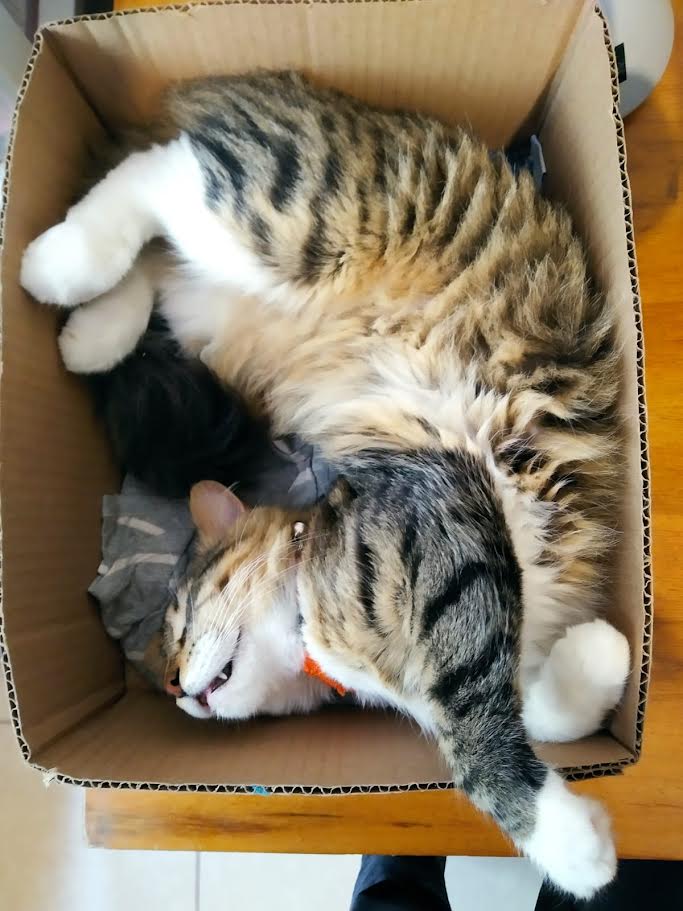
Cochi was one of the many nonhuman beings with whom I have had the privilege of sharing my days, and thinking of him and our shared intimacy reminds me of the notion of “companion species” proposed by Donna Haraway. For this author, “companion species” encompass the vast diversity of beings that make human and nonhuman life possible—that is, the fungi, yeasts, bacteria, and viruses with which we cohabit and that inhabit us; the animals and plants we feed on and that enable our subsistence; and, of course, the species we more traditionally tend to consider “companions.”
The idea that we keep each other company and need one another challenges the usual way of thinking about nonhuman beings as resources or objects that exist for our service. In the example of our relationship with Cochi, this mutual dependence went far beyond the need for food and became an emotional interdependence that provided us with security, warmth, and calm.
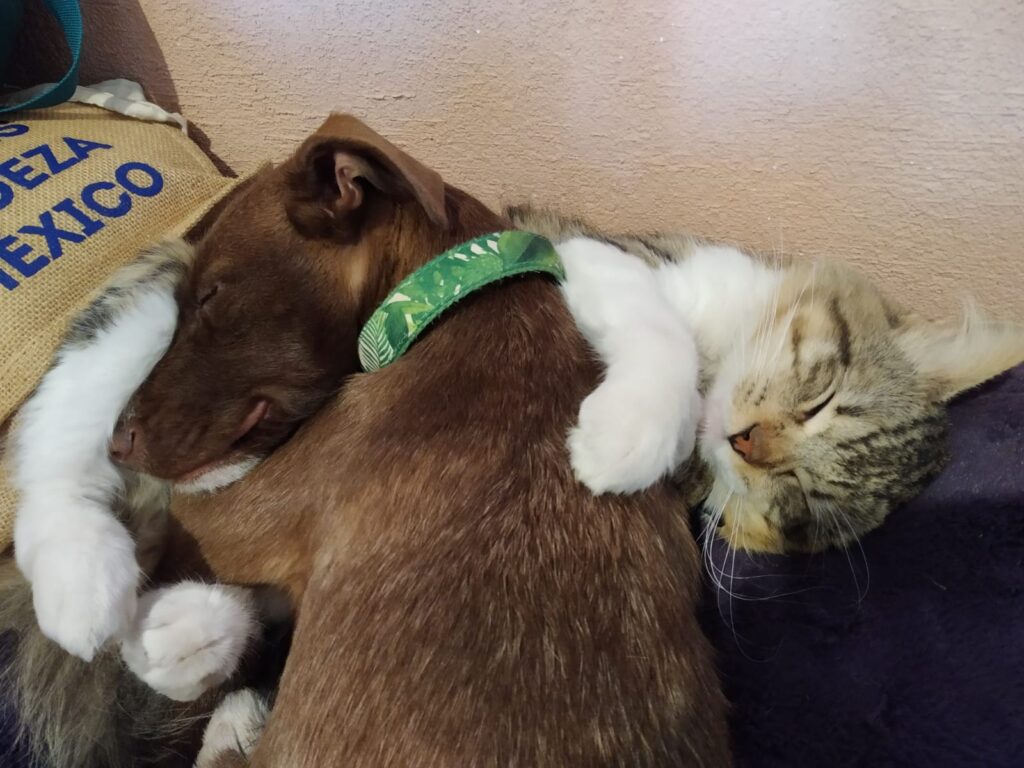
By thinking of nonhuman beings as companions, we can strive to build different relationships with everything around us, stop viewing others as resources at our disposal, and begin to question the positioning of the human as the centre of existence. At a time like the present, when we face a climate crisis that has already led to mass extinctions and many other catastrophes, this shift in thinking could be of vital importance. For this reason, we invite you to ask yourself: How do you relate to the nonhuman beings around you? How can you transform these relationships?